
A well-made slow cooker beef stew is the kind of meal that feels timeless, practical, and deeply satisfying. This version focuses on bold, natural flavors built slowly with tender beef, earthy root vegetables, and a deeply savory broth that thickens into a spoon-coating gravy. It is designed for home cooks who want reliable results, minimal effort, and a dish that tastes even better the next day.
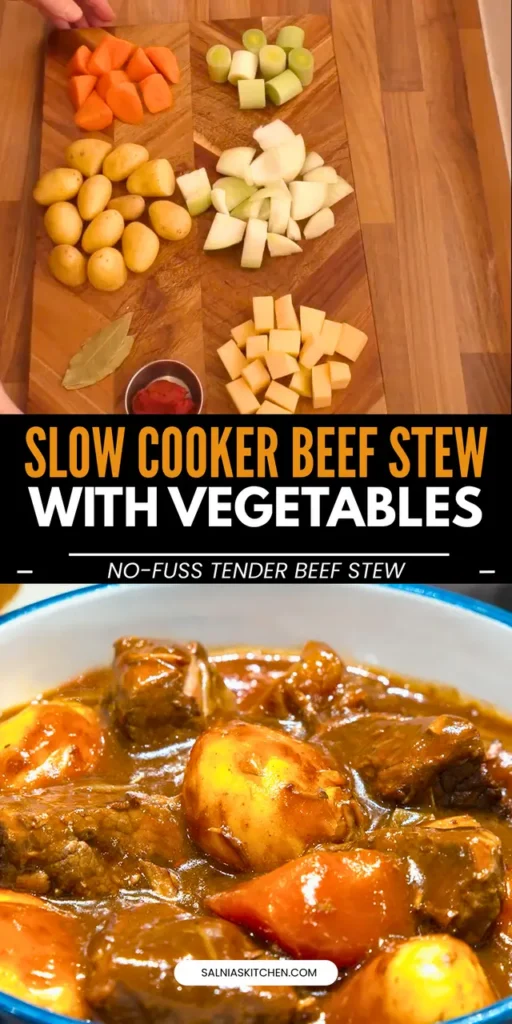
This recipe is not just about tossing ingredients into a slow cooker and hoping for the best. It is about understanding why each step matters, how to build depth without overcomplication, and how to adapt the stew to suit your kitchen and schedule. Whether you are feeding family or preparing meals ahead of time, this stew earns a permanent place in your rotation.
Why Slow Cooker Beef Stew Works So Well
Slow cooking is ideal for tougher cuts of beef that benefit from long, gentle heat. Stewing beef contains connective tissue that breaks down over time, turning firm cubes into fork-tender pieces that hold their shape.
The slow cooker also allows vegetables to release their natural sugars gradually. This creates a broth that tastes layered and rich without relying on excessive seasoning or additives.
Because everything cooks in one vessel, the flavors meld instead of competing. The result is a stew that tastes cohesive, balanced, and deeply comforting.
Ingredient Selection and Flavor Building
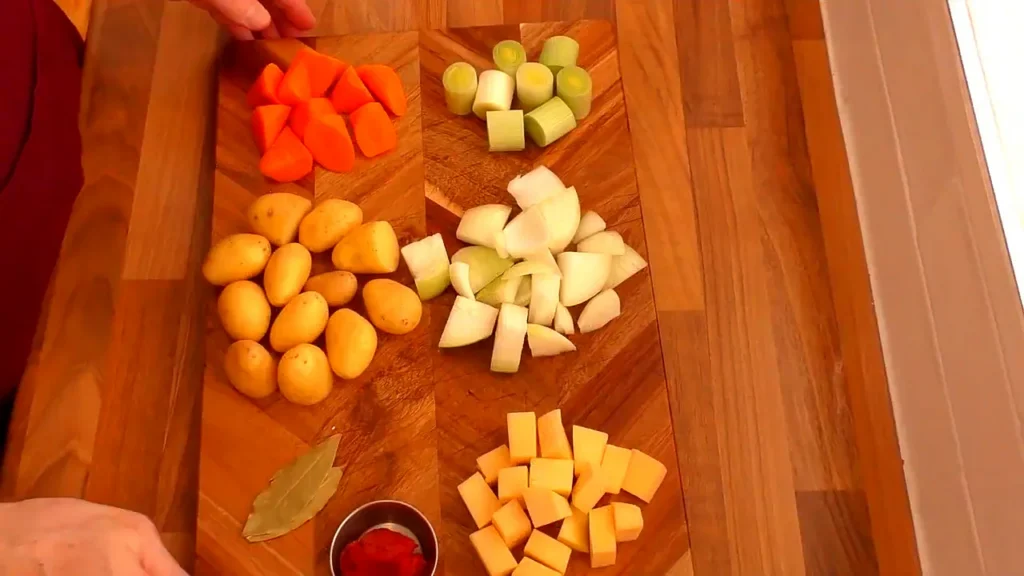
The foundation of this beef stew with potatoes and vegetables lies in thoughtful ingredient choices. Each component plays a specific role in taste, texture, or structure.
Stewing beef is essential for a hearty stew. Choose evenly sized cubes so they cook at the same rate and remain juicy rather than shredding.
Baby potatoes with skins on add body and starch while holding their shape. Leaving the skins intact also contributes flavor and saves prep time.
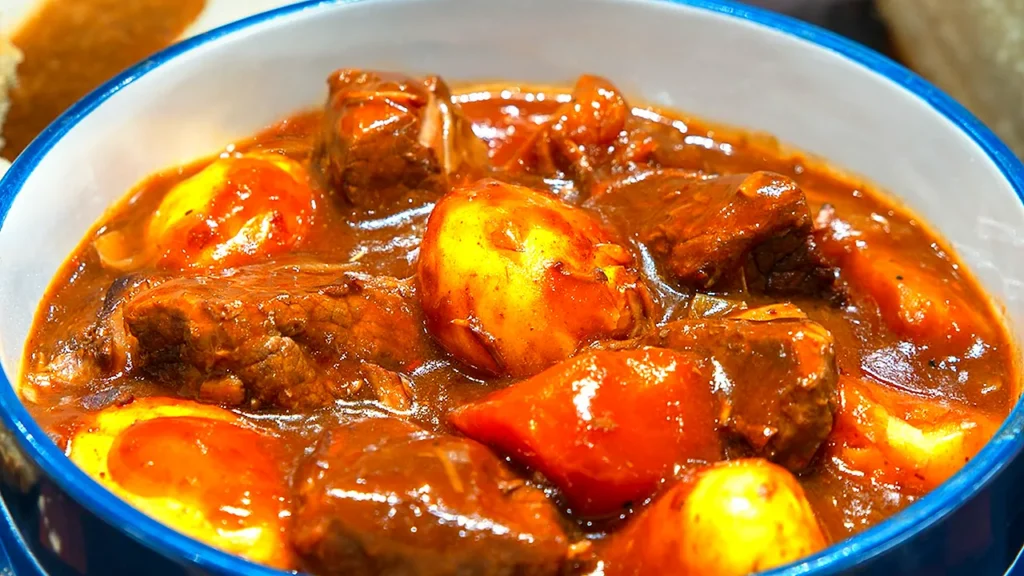
Leeks, onions, carrots, and swede create a classic aromatic base. Together, they provide sweetness, depth, and a subtle earthiness that balances the richness of the beef.
Tomato paste and bay leaves add complexity. Tomato paste brings umami and color, while bay leaves give a gentle herbal backbone that infuses slowly.
Beef stock should be well-flavored but not overly salty. This allows you to season precisely at the end.
A small amount of dark grape-based cooking reduction or pomegranate-style concentrate adds depth and acidity. It enhances richness without overpowering the stew.
Preparing the Beef for Maximum Flavor
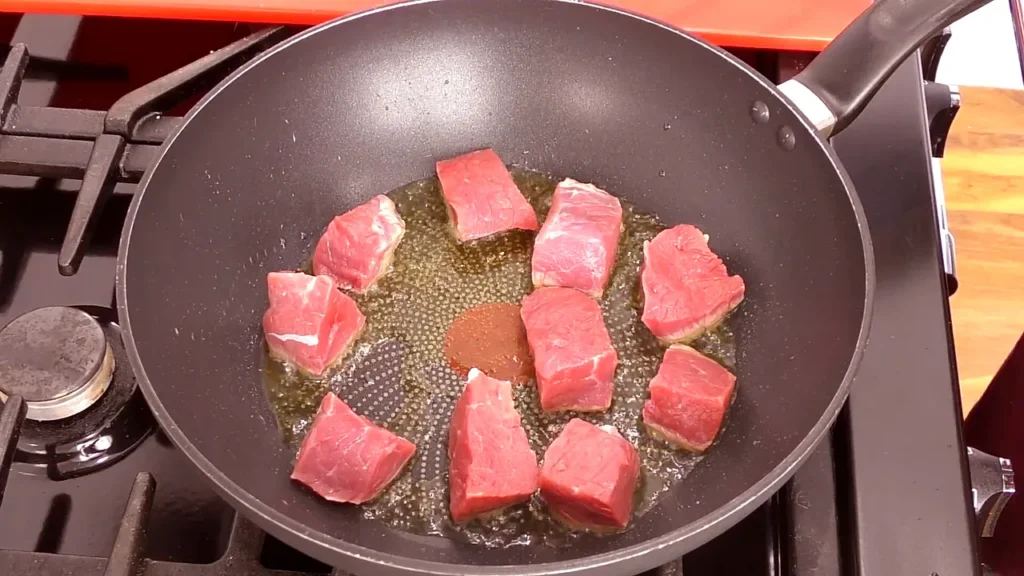
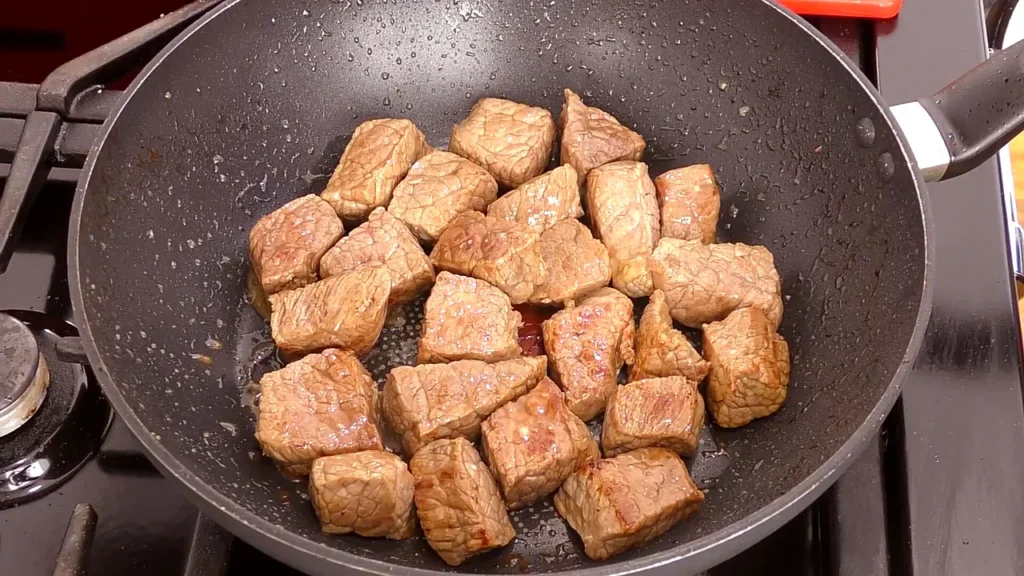
One step that should never be skipped is browning the beef. This process develops flavor through caramelization and gives the finished stew a deeper, more robust taste.
Heat olive oil in a wide frying pan until shimmering. Add the beef in batches so the pan stays hot and the meat browns rather than steams.
Turn the beef only when a golden crust forms. This brief step adds more flavor than any seasoning added later.
Layering the Slow Cooker Correctly
The order in which ingredients are added affects the final texture. Root vegetables should always sit at the bottom where heat is strongest.
Start by adding potatoes, carrots, swede, leeks, and onion to the slow cooker. Spread them evenly so they cook uniformly.
Whisk the tomato paste into the beef stock before pouring it over the vegetables. This ensures even distribution and prevents clumping.
Add bay leaves and the prepared grape-based reduction. Finally, place the browned beef on top so it stays moist while releasing flavor into the stew.
Cooking Time and Temperature Control
Set the slow cooker to high initially until the liquid begins to gently simmer. This jump-starts the cooking process and brings everything up to temperature efficiently.
Once simmering, switch to low and cover with the lid. Cook for three to four hours, checking only once if needed.
Avoid lifting the lid frequently. Each time it is opened, heat escapes and extends cooking time.
The stew is ready when the beef is tender enough to break with a spoon but still holds its shape.
Thickening the Stew the Right Way
A good slow cooker beef stew should be rich and spoonable, not watery. Thickening at the end gives you full control over consistency.
Mix corn flour or starch with cold water until smooth. Stir it into the hot stew gradually, allowing it to thicken over a few minutes.
Simmer uncovered for a short time if you want a thicker finish. Always taste and adjust seasoning with salt and black pepper at this stage.
Serving Suggestions and Pairings
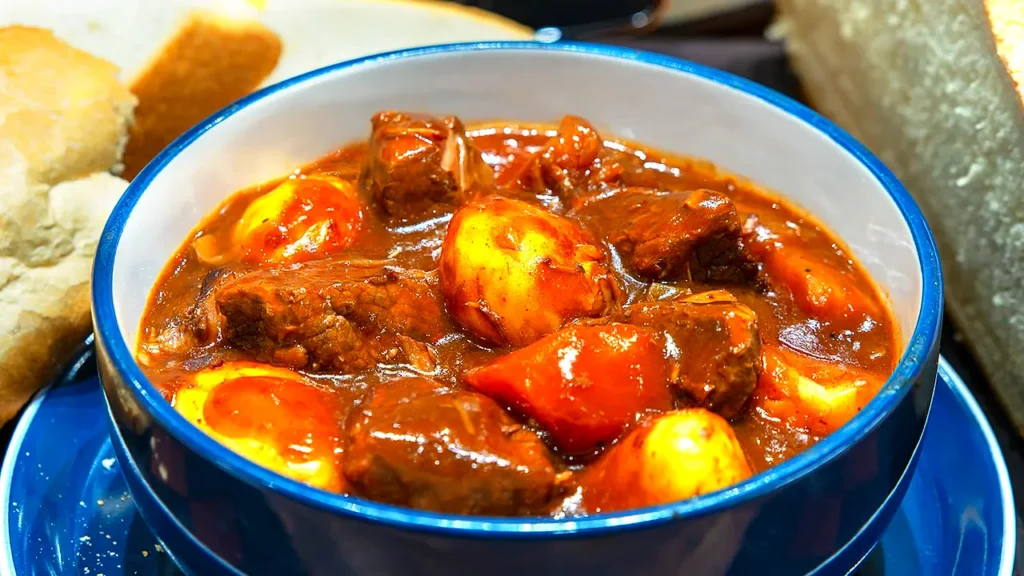
Serve the stew piping hot to fully appreciate its aroma and texture. A rustic loaf or farmhouse-style bread is ideal for soaking up the gravy.
This dish pairs well with simple sides. Steamed greens or a crisp salad balance the richness without distracting from the main bowl.
Leftovers improve overnight as flavors deepen. Reheat gently to preserve the texture of the beef and vegetables.
Storage and Make-Ahead Tips
This stew stores exceptionally well. Once cooled, refrigerate in an airtight container for up to three days.
It also freezes beautifully. Portion into containers, leaving room for expansion, and freeze for up to three months.
Defrost overnight in the refrigerator and reheat slowly. Add a splash of stock if the stew thickens too much during storage.
Frequently Asked Questions
Can I use a different cut of beef for this stew?
Yes, chuck or blade beef works well as long as it is suitable for slow cooking and cut into even pieces.
Do I need to peel the potatoes or carrots?
Peeling is optional. Scrubbing thoroughly is usually enough, especially for baby potatoes and fresh carrots.
Can I change the vegetables in this recipe?
Absolutely. Parsnips, celery, or mushrooms can be added without affecting cooking time significantly.
Why does my stew sometimes taste flat?
This usually means it needs salt or acidity. Adjust seasoning at the end and taste again before serving.
Is it possible to overcook beef stew in a slow cooker?
Yes, cooking too long can cause the meat to lose structure. Stick to the recommended time for best results.
Can I double this recipe?
Only if your slow cooker has enough capacity. Overfilling prevents proper heat circulation and even cooking.
This slow cooker beef stew with potatoes and root vegetables is built for consistency, depth, and comfort. With careful preparation and simple techniques, it delivers a satisfying meal that feels both traditional and dependable every time you make it.
Slow Cooker Beef Stew with Potatoes and Root Vegetables
Description
Ingredients
Meat
- 750 g stewing beef cut into large dice
- 2 tbsp olive oil for browning beef
Vegetables
- 300 g baby potatoes scrubbed, skins on
- 90 g leeks sliced
- 130 g carrots peeled and sliced
- 130 g swede or turnip peeled and diced
- 130 g onion diced
Liquids and Seasoning
- 570 ml beef stock low sodium preferred
- 30 g tomato paste
- 150 ml grape-based cooking reduction
- 2 bay leaves
- salt to taste
- black pepper to taste
Thickening
- 2 tsp corn flour or starch
- 20 ml cold water for slurry
Instructions
Browning the Beef
- Heat the olive oil in a large frying pan over high heat. Add the diced beef in batches and brown on all sides until lightly caramelized.
Assembling the Stew
- Turn the slow cooker to high. Add the potatoes, leeks, carrots, swede, and onion evenly into the base of the slow cooker.
- Whisk the tomato paste into the beef stock and pour it over the vegetables. Add the bay leaves and grape-based cooking reduction.
- Transfer the browned beef into the slow cooker. Season with salt and black pepper to taste.
Slow Cooking and Finishing
- Once the stew begins to gently simmer, reduce the slow cooker to low. Cover with the lid and cook for 3 to 4 hours until the beef is tender.
- Mix the corn flour with cold water to form a slurry. Stir it into the stew and cook for a further 5 to 10 minutes until thickened.
- Taste and adjust seasoning if needed, then serve hot.
Notes
- Cut all vegetables into similar sizes for even cooking.
- The stew thickens more as it cools, so adjust consistency before serving.
- This recipe is ideal for a 2.5-liter capacity slow cooker.
Leave a Reply