
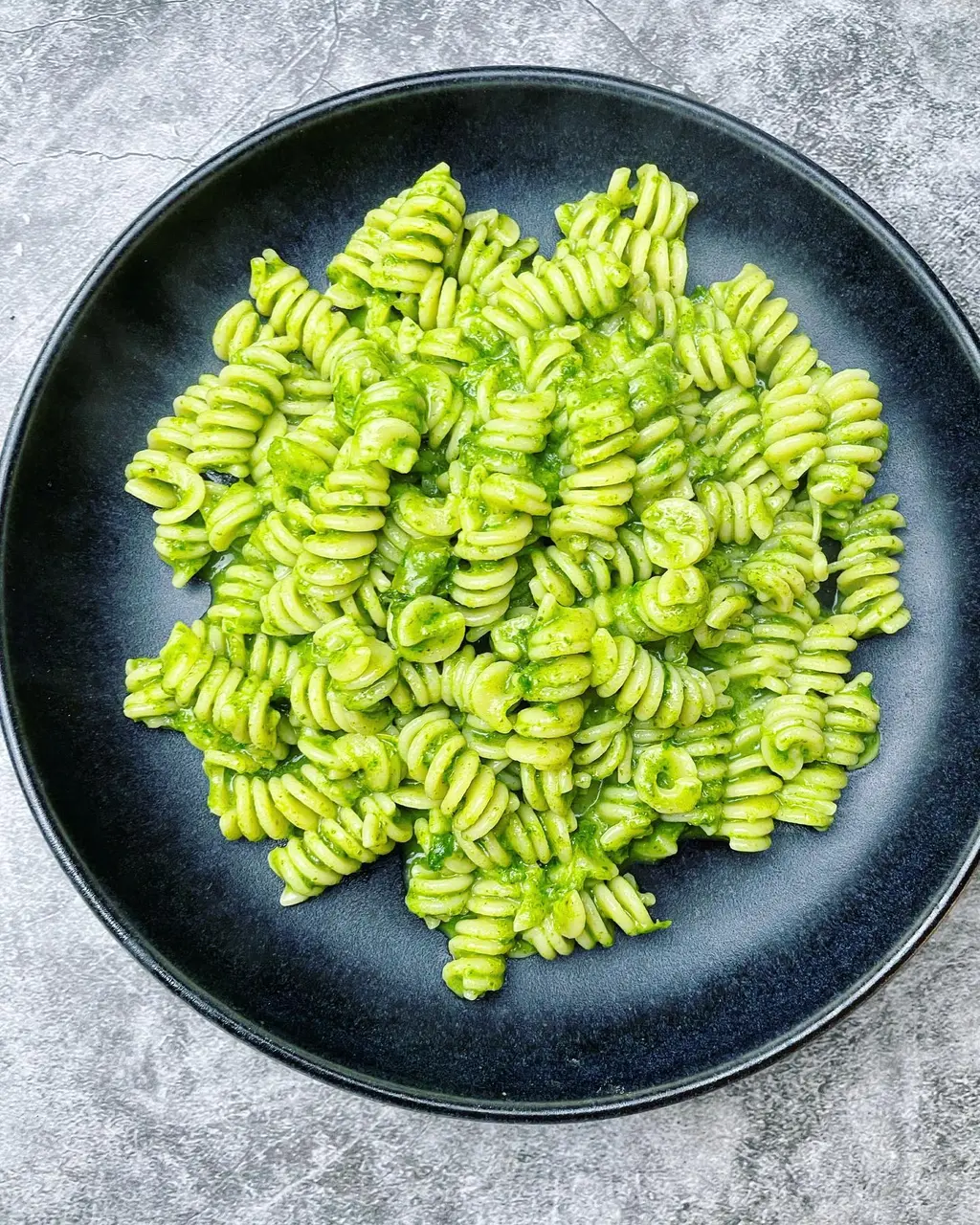
Some green pasta recipes look healthy but end up tasting flat. This creamy kale and garlic pasta is the opposite: bright, silky, garlicky, and rich enough to feel like real comfort food.
The sauce comes together from simple ingredients — kale, garlic, lemon, olive oil, and parmesan — but once everything is blended and tossed with pasta, it turns into something much more satisfying than the ingredient list suggests.
It is the kind of dinner I like making when I want something quick but still want the plate to feel a little thoughtful. In under 30 minutes, you get a pasta that tastes fresh, cozy, and complete without needing anything fancy on the side.
Why You’ll Love This Creamy Kale Pasta
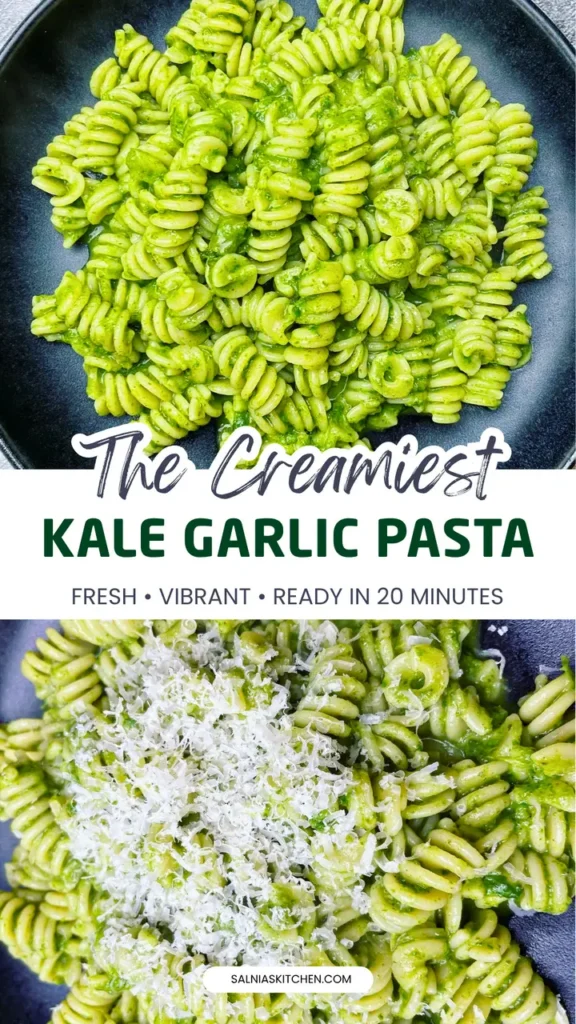
This pasta is one of those rare dishes that feels both light and indulgent at the same time. The sauce is glossy and smooth, but it never gets heavy, which makes it especially good for nights when you want something comforting without feeling weighed down.
The lemon keeps the kale bright, the garlic gives it depth, and the parmesan adds that savory finish that makes the whole thing taste rounded instead of one-note. It is simple food, but it does not taste simple in a boring way.
You can eat it as it is, or pair it with protein if you want to turn it into a fuller meal. It also sits nicely alongside other recipes that lean into easy comfort, like creamy mushroom pasta or the veggie-forward creamy vegetable grilled sandwich.
Choosing the Right Greens
For this recipe, cavolo nero is a lovely choice if you can find it, but regular kale works beautifully too. Curly kale gives a slightly brighter flavor, while Tuscan kale tends to taste a little deeper and more mellow once cooked.
The main thing is to remove the tough stems before you start. That small bit of prep helps the leaves blend more smoothly and keeps the sauce from turning stringy or rough. A quick blanch also softens the kale enough that it blends into a creamy sauce more easily.
If you want a milder version, spinach can be used instead. The sauce will be lighter in color and a little sweeter, but it still works well. For a slightly more peppery edge, a handful of arugula or parsley can be added too.
Perfect Pasta Choices
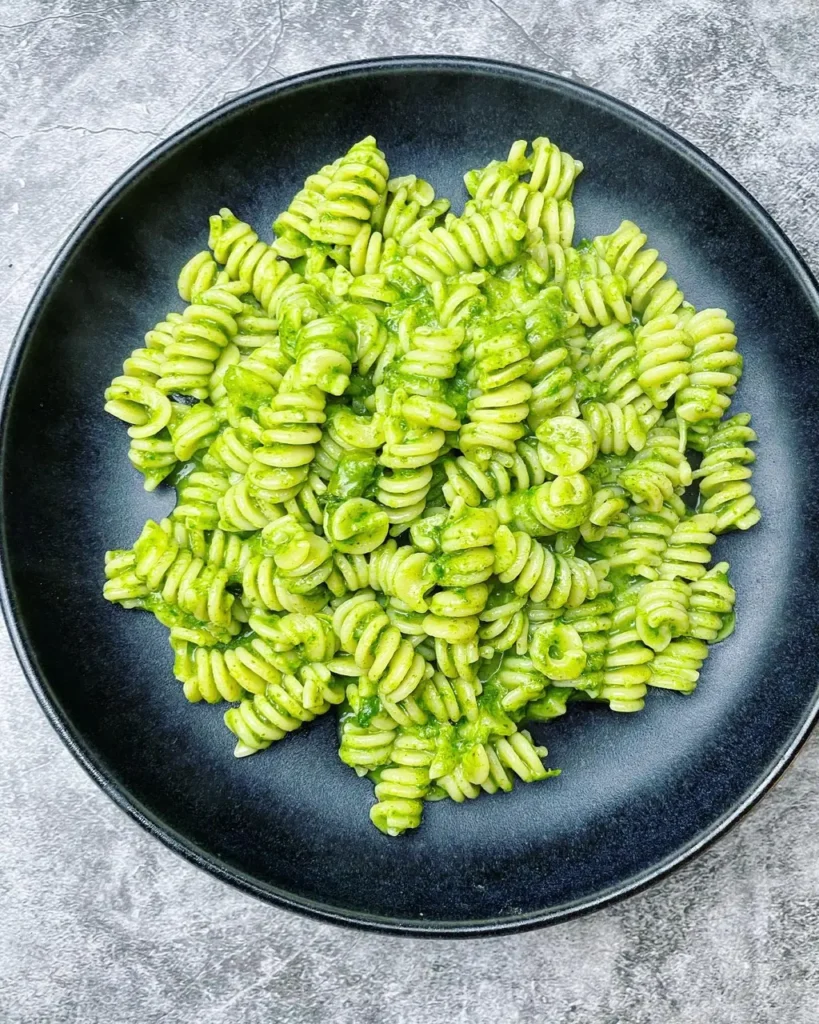
I like using long pasta shapes here because the sauce clings to them so well. Spaghetti, linguine, and fettuccine all work nicely, especially when you want each strand coated in that green, garlicky sauce.
That said, short shapes like penne or rigatoni are also a good choice if you want something a little heartier. The sauce gets trapped in the ridges and pockets, which gives every bite a good amount of flavor.
Whatever shape you use, save some of the pasta water. It sounds like a small detail, but it helps loosen the sauce later and gives it that silky finish that makes the dish feel more polished.
Building the Flavor Base
The base of this dish is simple: kale, garlic, and salted water. The kale softens quickly, and the garlic becomes mellow instead of sharp, which keeps the sauce from tasting harsh later on.
That short blanching step matters. It takes the edge off the greens and gives the final sauce a smoother flavor, so the pasta tastes rounded rather than aggressively leafy.
Once the kale and garlic are cooked, I like to pull them out and keep the water going for the pasta. That way, the cooking water is already lightly seasoned and still useful when it is time to bring the sauce together.
Creating the Creamy Green Sauce
Once the kale and garlic are drained, they go into the blender with parmesan, olive oil, and a splash of the reserved cooking water. That mixture becomes the heart of the sauce, and it is where the texture really starts to change.
After blending, I like to taste and adjust before it ever touches the pasta. A little more lemon can make it brighter, a little more oil can make it silkier, and a pinch more salt can bring everything into focus.
The goal is a sauce that feels creamy without relying on cream. It should be smooth enough to coat the pasta, but still taste fresh and green, not heavy or dull.
Marrying the Pasta and Sauce
When the pasta is done, I toss it straight into the sauce while it is still hot. That is when the magic happens. A little pasta water, a little stirring, and suddenly the sauce turns glossy and pulls itself evenly over every strand.
This is the part where the dish starts to feel restaurant-level, even though the ingredients are still very everyday. The sauce should move easily around the pasta instead of sitting on top of it, so adding the water slowly helps you control the texture.
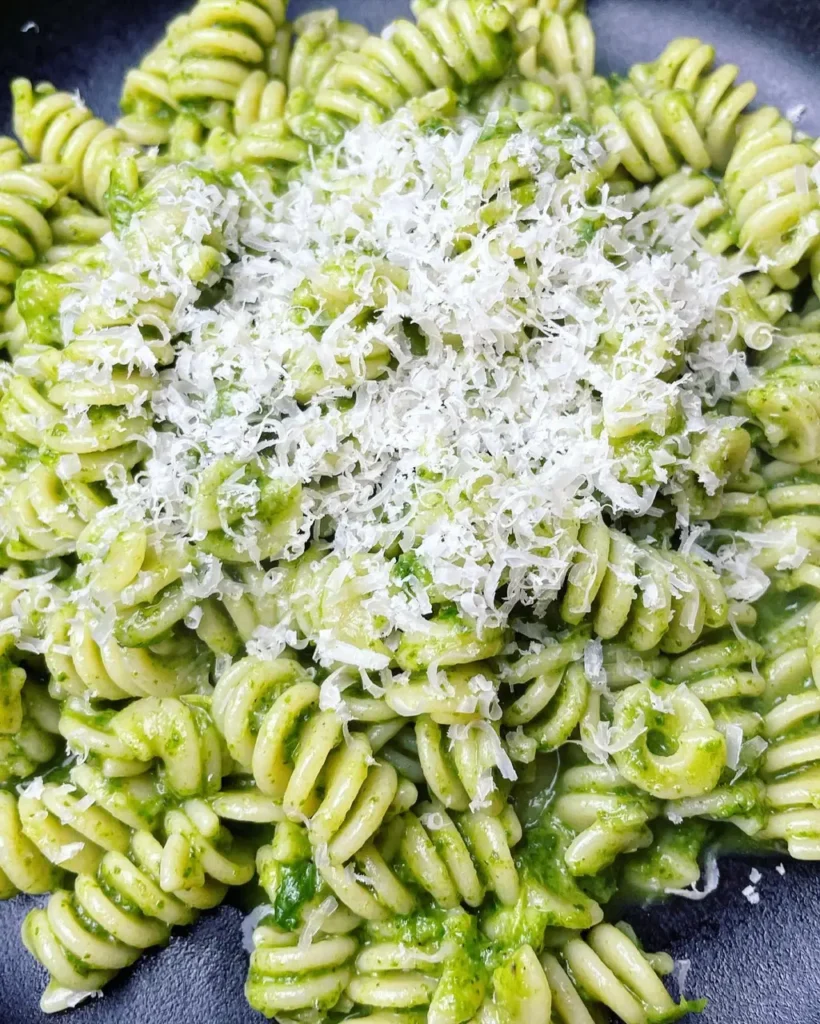
Once everything feels silky and balanced, I finish with a little more parmesan and a drizzle of olive oil. That last touch gives the pasta a richer aroma and makes it taste finished.
Tips for the Best Texture and Flavor
Simple recipes depend on good technique, so a few small details can make this one taste noticeably better.
Use a good olive oil if you can, because it is one of the main flavors in the sauce. Freshly grated parmesan also makes a difference here since it melts more smoothly and tastes cleaner than the pre-grated kind.
If the sauce feels too thick after blending, add warm pasta water a little at a time until it loosens up. If it tastes a little flat, that usually means it needs lemon more than salt. The lemon is what keeps the greens tasting lively.
I would not skip that final squeeze. It is what keeps the dish from leaning too far into rich and reminds you that the sauce is still meant to taste fresh.
Adding Protein or Extra Vegetables
This pasta is satisfying on its own, but it also makes a strong base for extras. Grilled chicken, pan-seared shrimp, or roasted chickpeas all work well if you want more protein in the bowl.
For extra texture, I like adding sautéed mushrooms or roasted cherry tomatoes. The mushrooms bring a deeper savory note, while the tomatoes add a little sweetness that plays nicely against the garlic and lemon.
If you enjoy meals that lean in this wholesome-but-still-comforting direction, you might also like high-protein chicken couscous next. It has the same kind of balanced, practical feel.
How to Store and Reheat
This pasta is best fresh, but leftovers are still very usable. Store them in an airtight container in the fridge for up to two days.
When reheating, add a small splash of water or olive oil to loosen the sauce. Warm it gently over low heat so the texture stays creamy instead of drying out.
I would not freeze the finished pasta, since the sauce can separate after thawing. If you want to get ahead, make the kale sauce earlier in the day and keep it in the fridge until you are ready to cook the pasta.
Making It Vegan or Dairy-Free
For a vegan version, swap the parmesan for nutritional yeast or a dairy-free parmesan alternative. The sauce still blends well and keeps that creamy, savory feel, though you may want a little extra lemon or salt to sharpen the flavor.
Because the rest of the recipe is already plant-based, the adjustment is easy. You still get a smooth, vibrant sauce with the same green color and fresh flavor.
Serving Suggestions
This pasta goes well with a crisp salad or some warm bread on the side. If you want something soft and chewy to go with it, homemade puffy pita bread is a great match because it gives you something to scoop up the sauce with.
It also works well with grilled salmon or baked chicken thighs if you want to turn dinner into something more substantial. The lemon and garlic in the sauce pair especially well with simple proteins.
And if you want a different kind of comforting side dish, zucchini carrot fritters make a nice fresh addition to the table.
Frequently Asked Questions
Can I use frozen kale?
Yes. Just thaw it fully and squeeze out the excess water before blending. The sauce will be slightly softer in flavor, but it still works well.
Is it possible to make this recipe ahead?
Yes. The sauce can be made a few days in advance and stored in the fridge. Then all you need to do is cook the pasta and toss everything together when you are ready to eat.
What can I substitute for parmesan?
Nutritional yeast, pecorino, or a dairy-free parmesan-style alternative all work. Just taste as you go, since each option brings a slightly different salt level.
Can I add cream for extra richness?
Yes, though the recipe does not need it. If you want a richer sauce, a tablespoon or two of cream can be stirred in after blending.
What type of olive oil should I use?
Extra-virgin olive oil is the best fit here because its flavor is part of the sauce, not just a cooking fat. A fruity or peppery one works especially well.
Can I use other greens?
Spinach, arugula, or Swiss chard can all be used instead of kale. Each one will shift the flavor a little, but the method stays the same.
How can I make this spicier?
A pinch of red pepper flakes or a drizzle of chili oil at the end adds heat without changing the rest of the dish.
Final Thoughts
This creamy kale and garlic pasta with lemon is proof that you do not need a long ingredient list to make a dinner feel satisfying. It is fresh, rich, and quick enough for a weeknight, but still has enough personality to feel worth repeating.
It is the kind of meal I make when I want dinner to taste thoughtful without asking too much from me. The sauce is simple, but the finished bowl feels complete, which is usually the best kind of recipe to keep around.
If you liked this one, you may also enjoy creamy mushroom pasta or creamy mushroom tomato ravioli. Both carry the same easy comfort in a slightly different direction.
Creamy Kale and Garlic Pasta with Lemon
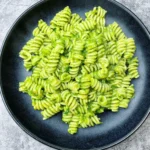
Description
Ingredients
Main Ingredients
- 200 g pasta
- 300 g kale stalks removed
- 1 clove garlic large
- 100 g parmesan cheese freshly grated
- 100 ml olive oil
- 1 tbsp lemon juice freshly squeezed
Instructions
Cooking Instructions
- Boil a saucepan of salted water and add the kale and garlic. Cook for 2 minutes, then remove and reserve the water.
- Add the pasta to the same boiling water and cook according to package instructions.
- Place the cooked kale, garlic, a little pasta cooking water, and parmesan in a blender. Blend until smooth.
- Add olive oil and lemon juice to the blender and adjust seasoning with salt and pepper.
- Toss the cooked pasta with the creamy kale sauce. Add extra parmesan and a drizzle of olive oil before serving.
Notes
- Use fresh, high-quality olive oil for best flavor.
- Reserve pasta cooking water to adjust sauce consistency as needed.
Comments & feedback
A clean, soft editorial comment area that matches the rest of the site’s premium green-and-neutral look.