
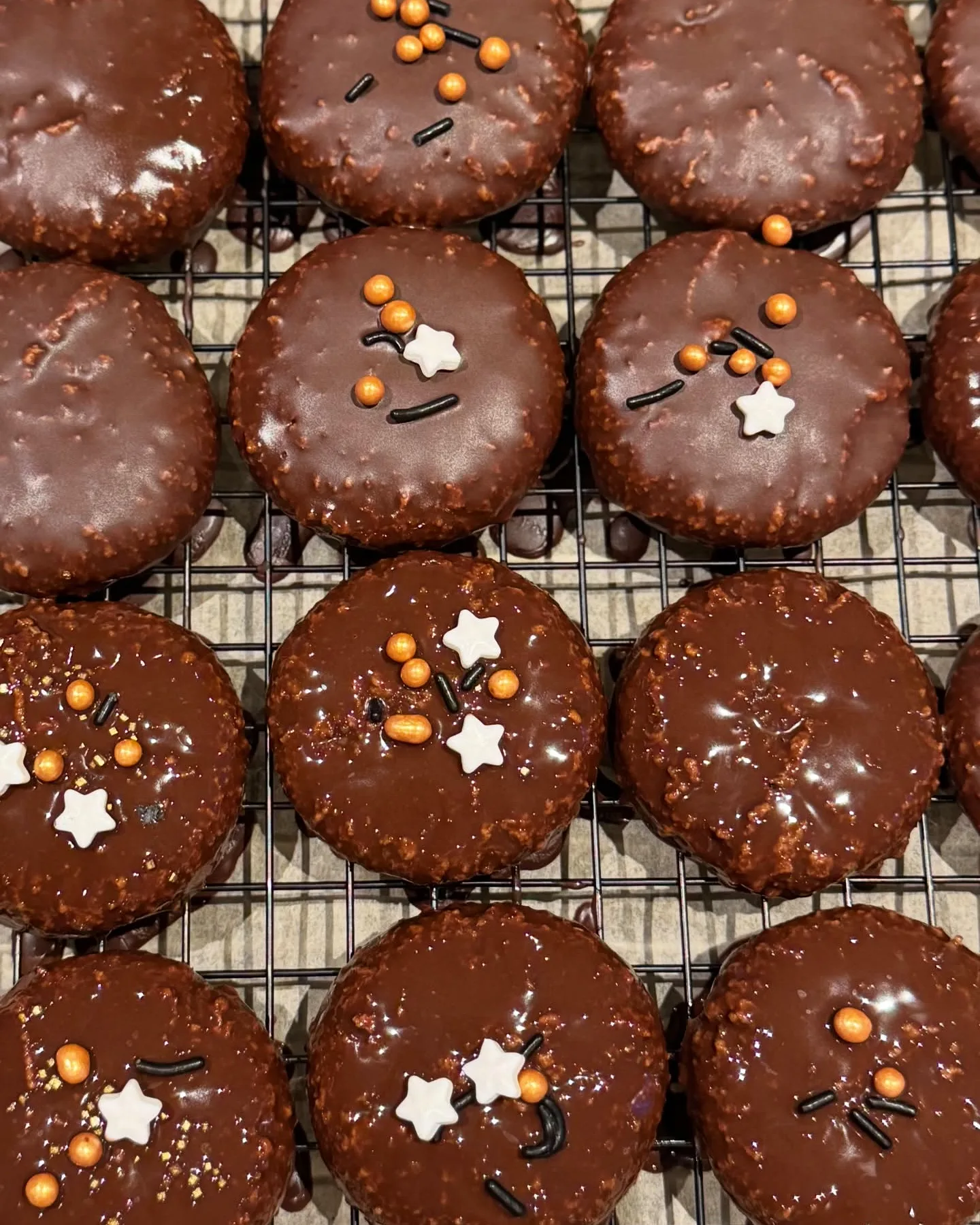
Every holiday cookie platter has at least one batch of dry, crumbly gingerbread cookies nobody wants to eat. This potato lebkuchen recipe is hands-down the softest, most pillowy gingerbread cookie you’ll ever bake — and it all comes down to one gloriously unexpected ingredient: potatoes.
Before you raise an eyebrow, hear me out. Cooked potatoes have been a secret weapon in European baking for generations, and German lebkuchen makers have long known they create an unbelievably tender, moist crumb that holds up beautifully for days.
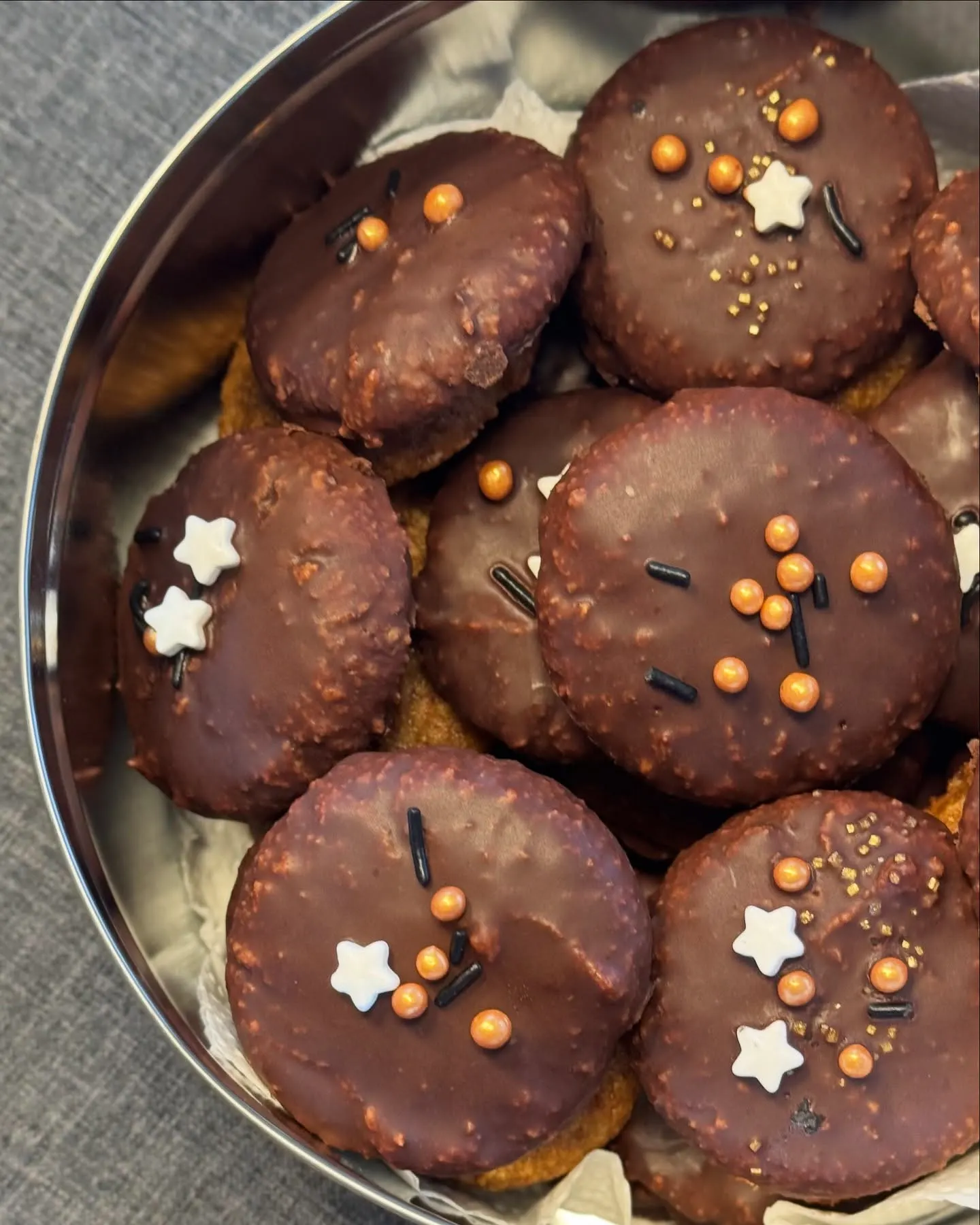
These aren’t just good “for potato cookies” — they are genuinely some of the most delicious Christmas cookies I’ve ever pulled out of my oven. Warm spices, ground nuts, candied citrus, and that signature chocolate glaze make these unforgettable.
Whether you’re a seasoned Christmas baker or just looking to add something truly special to this year’s holiday spread, this recipe is approachable, forgiving, and guaranteed to make people ask, “Wait — there are potatoes in these?!”
What Are Potato Gingerbread Cookies (Lebkuchen)?
Lebkuchen is a traditional German Christmas cookie that dates back centuries, with deep roots in the medieval baking traditions of Nuremberg. Unlike the crisp gingerbread cookies most Americans are familiar with, lebkuchen is typically soft, cakey, and packed with warm spices like cinnamon and cloves.
It’s often made with ground nuts, candied fruit, and honey or sugar — no butter needed.
The potato version, sometimes called “Kartoffel-Lebkuchen” in German, swaps in mashed or riced cooked potatoes to create a dough that bakes up incredibly soft and moist. The potatoes don’t make the cookies taste like potatoes at all.
Instead, they lend a delicate tenderness that keeps these cookies melt-in-your-mouth for days. Think of it like the magic potatoes bring to my cheesy funeral potatoes casserole — they have a way of making everything better.
These cookies are traditionally baked on wafer rounds called Backoblaten, which you can find at specialty baking stores or online. They give the cookies a beautiful base and make them easy to handle.
And once you coat them in chocolate glaze or powdered sugar icing, they look absolutely stunning on a Christmas cookie platter.
Why Cooked Potatoes Make These Cookies So Soft
It might sound strange at first, but adding cooked potatoes to cookie dough is actually a time-honored technique in European baking. Potatoes are naturally high in starch and moisture, which helps create a dough that stays soft long after baking.
Unlike traditional cookie doughs that can go crisp and dry within hours, potato-based doughs retain moisture beautifully.
For this recipe, you’ll want to use about 10 ounces of cooked potatoes. Any variety works — russets, Yukon Golds, even leftover boiled potatoes from dinner.
The key is to press them through a potato ricer so they’re perfectly smooth with no lumps. This ensures the potatoes blend seamlessly into the dough without any stringy bits.
The result is a cookie with a texture somewhere between a soft gingerbread and a delicate spice cake. Honestly, it’s one of the best baking tricks I know, and it pairs perfectly with the warm spices and ground nuts in this recipe.
How to Get the Dough Consistency Just Right
One thing to know before you start: the amount of flour you need can vary depending on the moisture content of your potatoes. Some potatoes are starchier and drier, while others are wetter.
If your dough feels too soft or sticky after mixing everything together, just add a bit more all-purpose flour until it reaches a workable consistency. It should be soft but not sticky — similar to a thick cookie dough.
Don’t panic if you need to adjust. This dough is very forgiving.
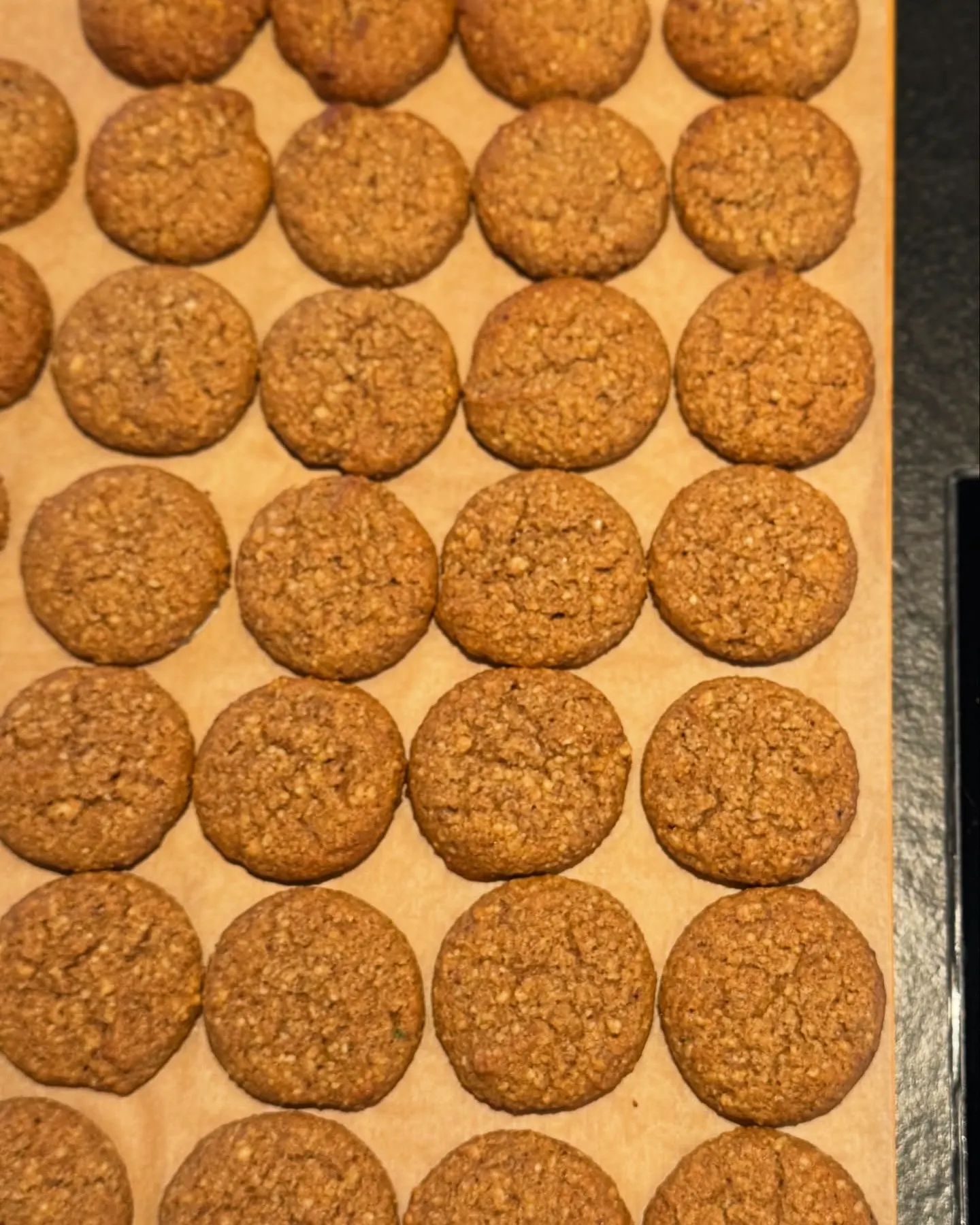
The ground hazelnuts and almonds add structure along with the flour, and the eggs help bind everything together. You’re basically looking for a dough you can roll out or cut shapes from without it sticking to everything.
For cutting, a round 2-inch gingerbread or cookie cutter works perfectly. You can also just scoop and flatten the dough if you prefer a more rustic look — they’ll taste just as wonderful either way.
Tips for Making the Best Potato Lebkuchen
After making these cookies more times than I can count, I’ve picked up a few tricks that make a real difference:
- Grind the candied fruit with the nuts. If you don’t love chunks of candied citron or orange peel in your cookies, toss them into the food processor along with the hazelnuts and almonds. They’ll blend right into the dough, adding sweetness and citrus flavor without any noticeable pieces.
- Use fresh spices. This recipe leans heavily on cinnamon and cloves, so make sure your spices are fresh. Old, stale spices will make the cookies taste flat.
- Don’t skip the Backoblaten. The wafer rounds aren’t just traditional — they give the cookies a sturdy base that makes them easier to glaze and handle. If you absolutely can’t find them, parchment-lined baking sheets work in a pinch.
- Let them cool completely before glazing. Chocolate glaze or powdered sugar icing applied to warm cookies will slide right off. Patience pays off here.
How to Store Potato Gingerbread Cookies
One of the best things about these cookies is how well they keep. Because the potatoes keep them so moist, they actually get better after a day or two as the flavors meld together.
Store them in an airtight container at room temperature, and they’ll stay soft and delicious for up to two weeks.
If you want to freeze them, the unglazed cookies freeze beautifully. Just layer them between sheets of parchment paper in a freezer-safe container, and they’ll keep for up to three months.
When you’re ready to serve, let them thaw at room temperature and then add your glaze or icing.
These make an incredible make-ahead Christmas treat — especially helpful when you’re juggling a million other holiday tasks. Pair them with something like my cranberry orange cheesecake bars for a dessert spread that looks like you spent all week in the kitchen.
How to Glaze and Decorate Your Cookies
Once the cookies have cooled completely, you have two classic glazing options. A smooth chocolate glaze gives them that iconic lebkuchen look — rich, glossy, and absolutely beautiful.
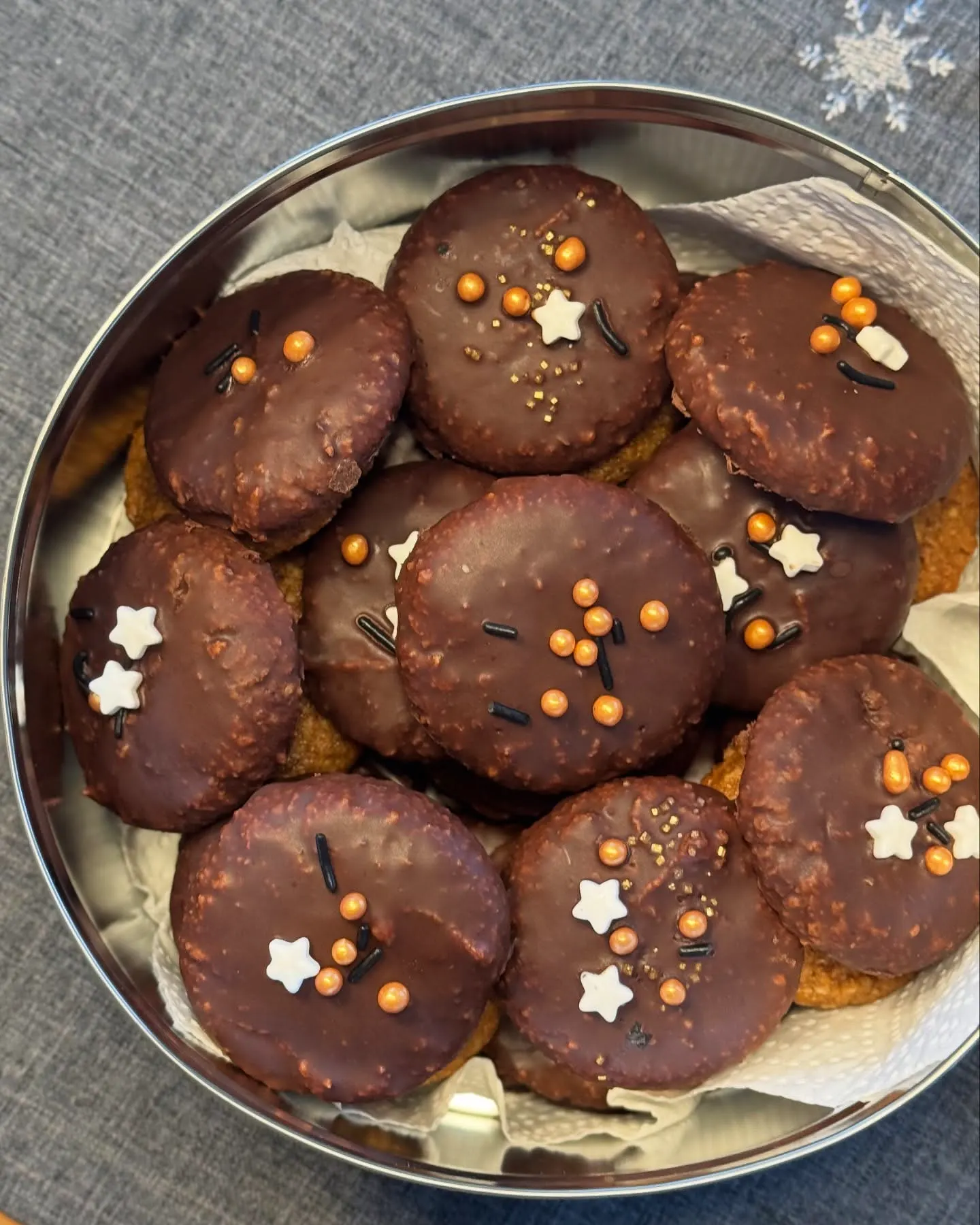
Simply melt chocolate (or use a prepared chocolate glaze) and either dip the cookies or spread the glaze over the top with a small offset spatula.
If you prefer something lighter, a simple powdered sugar icing works wonderfully too. Just mix powdered sugar with a little milk or lemon juice until you get a spreadable consistency, then drizzle or spread it over the cookies.
For a festive finishing touch, sprinkle on some crushed nuts, colored sugar, or tiny pieces of candied fruit before the glaze sets. These cookies are gorgeous enough to give as gifts — stack them in a cellophane bag tied with a red ribbon and you’ve got a homemade present anyone would love.
What to Serve with Potato Lebkuchen for the Holidays
These cookies absolutely shine on a holiday cookie platter alongside other Christmas treats. Mix them in with sugar cookies, peppermint bark, and shortbread for variety.
They also pair beautifully with a warm cup of spiced tea, coffee, or mulled wine.
If you’re putting together a full holiday spread, consider setting out a warm, comforting dish like cinnamon roll focaccia for a cozy brunch, and save the cookies for dessert. And for anyone who loves putting together gift baskets, a jar of homemade cranberry chutney alongside these lebkuchen makes a thoughtful, delicious combination.
Whatever you pair them with, these potato gingerbread cookies are guaranteed to be the star of your holiday baking. They’re soft, spiced, deeply flavorful, and just unusual enough to spark conversation — which is honestly my favorite kind of cookie.
Potato Gingerbread Cookies: Soft Christmas Lebkuchen Recipe
Description
Ingredients
- 4 eggs
- 2 cups granulated sugar
- 2 tablespoons cinnamon
- 1 teaspoon ground cloves
- 1/2 cup candied citron
- 1/2 cup candied orange peel
- 1.5 cups hazelnuts ground
- 1.5 cups almonds ground
- 10 ounces potatoes cooked
- 15 tablespoons all-purpose flour
- 1 tablespoon baking powder
- wafer rounds (Backoblaten) as needed
Instructions
- Beat the sugar and eggs until light and fluffy.
- Finely grind the candied citron, candied orange peel, and nuts in a food processor, then fold them into the mixture.
- Press the cooked potatoes through a potato ricer and mix with all ingredients to form a dough.
- If the dough is too soft, simply add a little more flour.
- Use a gingerbread cutter (2-inch diameter) to cut the dough into round shapes for neat, even cookies.
- Bake at 350°F (conventional oven, top/bottom heat) for about 20 minutes.
- Once cooled, coat with chocolate glaze or powdered sugar icing and decorate as desired.
Notes
- If you don’t like chunks of candied citron or orange peel, grind them together with the nuts in the food processor so they blend in seamlessly.
- The dough can vary in softness depending on the potatoes used; adjust flour as needed for the right consistency.
- Serve alongside other traditional Christmas cookies on your holiday platter for a fun surprise.
Comments & feedback
A clean, soft editorial comment area that matches the rest of the site’s premium green-and-neutral look.